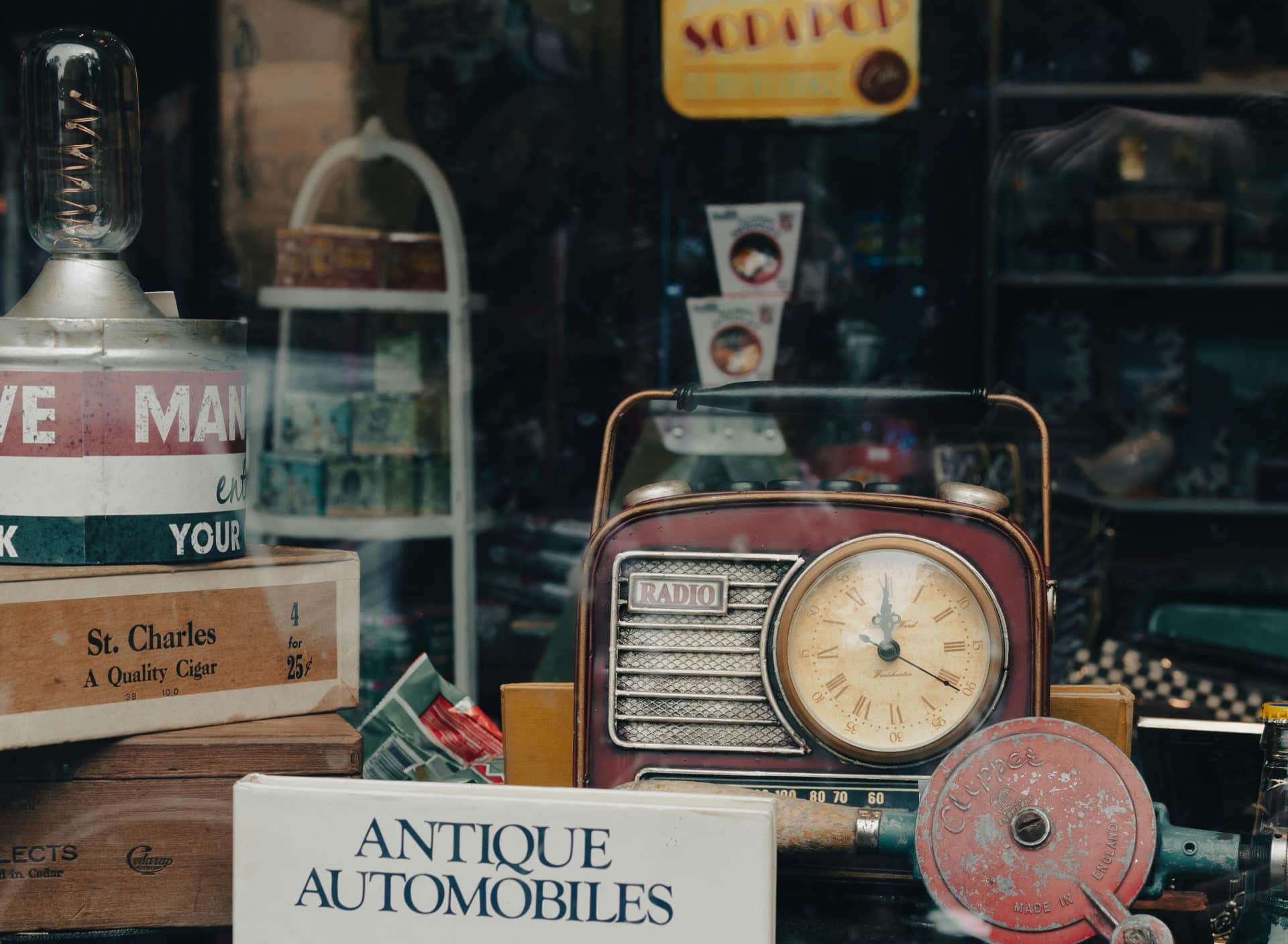
The terms “antique,” “vintage,” and “retro” are often used interchangeably, but they all actually mean something different. If you've ever wondered how old to be antique or how old something vintage or retro is, you're not alone.
In this article, the estate experts at Mile High Estate Sales explain what each of these designations means and why the distinctions matter. When you're buying, selling, collecting, or decorating with older items, understanding antique vs. vintage vs. retro impacts pricing, value, and how to market items online.
What Is an Antique?
Official Definition of an Antique
How old is considered antique?
Based on widely accepted industry standards, an antique is at least 100 years old. Most collectors and industry professionals abide by this 100-year-old rule.
Common Types of Antique Items
Antiques are items that reflect historical craftsmanship and may be used less in modern times. Examples include:
- Victorian and early American-style furniture
- Paintings and other fine art
- Jewelry
- Books and manuscripts
- Household decorative collectibles
Key Characteristics of Antiques
Now that you understand how old an antique is, it's important to note that not all antiques are valuable. Age alone doesn't guarantee high worth, as an item's condition, rarity, and demand are all factors.
Common characteristics of antiques include:
- Significant age (100 years or more)
- Historical or cultural relevance
- Rarity and limited availability
- Signs of natural aging
What Is Vintage?
General Definition of Vintage
How old is something vintage?
Vintage items are generally between 20 and 99 years old. However, varying sources may define the actual age range slightly differently.
What Makes Something “Vintage” Beyond Age?
Beyond its age, a vintage item should represent a specific design era or reflect trends from a particular time period. Vintage pieces often carry elements of nostalgia and cultural significance.
Popular Vintage Categories
Vintage items like these are especially popular among resellers and decorators:
- Mid-century modern furniture
- Iconic home décor from past decades
- Era-specific clothing and accessories
- Collectibles like vinyl records and old signs
What Is Retro?
Definition of Retro Style
What does it mean for something to be called “retro”?
Something labeled retro is typically a newer item designed to look like it came from the past. Unlike antique and vintage items, retro items aren't actually old — they imitate older styles but are manufactured in modern times.
Examples of Retro Items
You'll often find these kinds of retro items for sale online and in stores to appeal to nostalgic aesthetics:
- Reproduced signage and home décor
- Modern appliances with a 1950s to 1970s aesthetic
- Newly manufactured furniture with a mid-century design
- Brand-new clothing made to resemble authentic pieces from past decades
Why Retro Is Different From Vintage and Antique?
Retro pieces differ from antique and vintage ones in that they aren't actually old. Retro items focus on style and appearance, not age, and they're often mass-produced and more affordable than antique or vintage ones.
Antique vs. Vintage: Key Differences
Age Comparison
The simplest way to answer questions like “how old to be antique” compared to a vintage classification is age. Antiques are over 100 years old, while vintage items are between 20 and 99 years old.
Value and Collectability
Antiques are often valuable because they are historically significant and rare. Meanwhile, the value of vintage items lies in their style and nostalgia.
One Example to Clarify the Difference
A table made in 1880 is an antique. However, a table made in the 1960s is vintage, and a table made in 2020 that looks like it's from the 1960s is retro.
Vintage vs. Retro: How to Tell Them Apart
Age vs. Appearance
A vintage piece is decades old, while a retro piece is fairly new and specifically designed to look old.
Price and Accessibility
Vintage items can be collectible pieces and vary widely in price. Meanwhile, retro items are usually cheaper and more widely available.
Common Buyer Confusion
At estate sales and other venues, sellers often mislabel items as vintage when they're actually retro. To spot authentic vintage items:
- Confirm their official production dates
- Look for original labels and signs of wear
- Research the era in question
Antique vs. Retro: Old vs. Reproduction
Authenticity Differences
There are significant differences in authenticity between antique and retro items. Antiques are original, historical pieces, while retro pieces are modern recreations.
When Each Makes Sense to Buy
It makes sense to buy antiques when you're starting or adding to a collection, or when you're investing. However, it's perfectly acceptable to buy retro for style, convenience, and affordability.
Why These Definitions Matter When Buying or Selling
Using the correct terminology can directly impact pricing and buyer confidence. When you understand how old something is to be antique, vintage, or retro, you can avoid overpaying for mislabeled items or build credibility with improved listings as a seller.
How to Identify Antique, Vintage, and Retro Items in the Wild
- 1Look at how items were constructed and the materials used, as well as natural signs of wear and aging.
- 2Research brands and makers from that era for clues as to when and where something was made.
- 3Carefully evaluate sale listings and photos for any inconsistencies in descriptions or vague terms not backed by evidence.
Can You Mix Antique, Vintage, and Retro Styles Together?
Yes, it is possible to blend antique statement pieces with modern accents. Vintage items can bridge the gap between old and new, creating a balanced, cohesive look. However, be mindful that incorporating too many eras can appear cluttered and confusing.
For example, to create a curated, layered look, you could combine an antique dining table with vintage chairs and retro lighting and décor.
Common Mistakes People Make When Using These Terms
- Interchangeably using the words antique, vintage, and retro
- Assuming anything old is valuable
- Trusting seller descriptions without verifying the authenticity
Final Thoughts: Understanding the Differences Like a Pro
Knowing how old is considered antique, vintage, and retro gives you a major advantage when shopping at estate sales, buying or selling items online, or decorating your home. To avoid more costly mistakes, contact Mile High Estate Sales to learn more about our services.
Frequently Asked Questions About Antique vs. Vintage vs. Retro
Below are answers to common questions Coloradans ask about this topic. To learn more, check out our general FAQ page, our blog, or call us at 303-204-4464.
What qualifies something as an antique?
An antique is an item that's at least 100 years old.
How old does something have to be to be considered vintage?
An item is considered vintage if it's between 20 and 99 years old.
Is retro the same as vintage?
No, retro items are newly made but designed to look like they're from a past era.
Can something be both vintage and antique?
No, an item's age (more or less than 100 years) determines if it is antique or vintage.
Why are some vintage items more expensive than antiques?
Rarity, demand, and trends dictate a vintage item's value and can make it valued higher than an antique.
How can I tell if an item is truly vintage or just retro?
Check when an item was produced, the materials used, labels, and signs of age. You'll rarely find historical markers on retro items.
Are retro items worth buying?
Yes, retro items can offer a vintage-like look at a lower cost, especially for casual, daily-use décor.

Mile High Estate Sales
Colorado's trusted estate sale professionals with over 10 years of experience helping families through life's transitions.
Schedule a Free Consultation