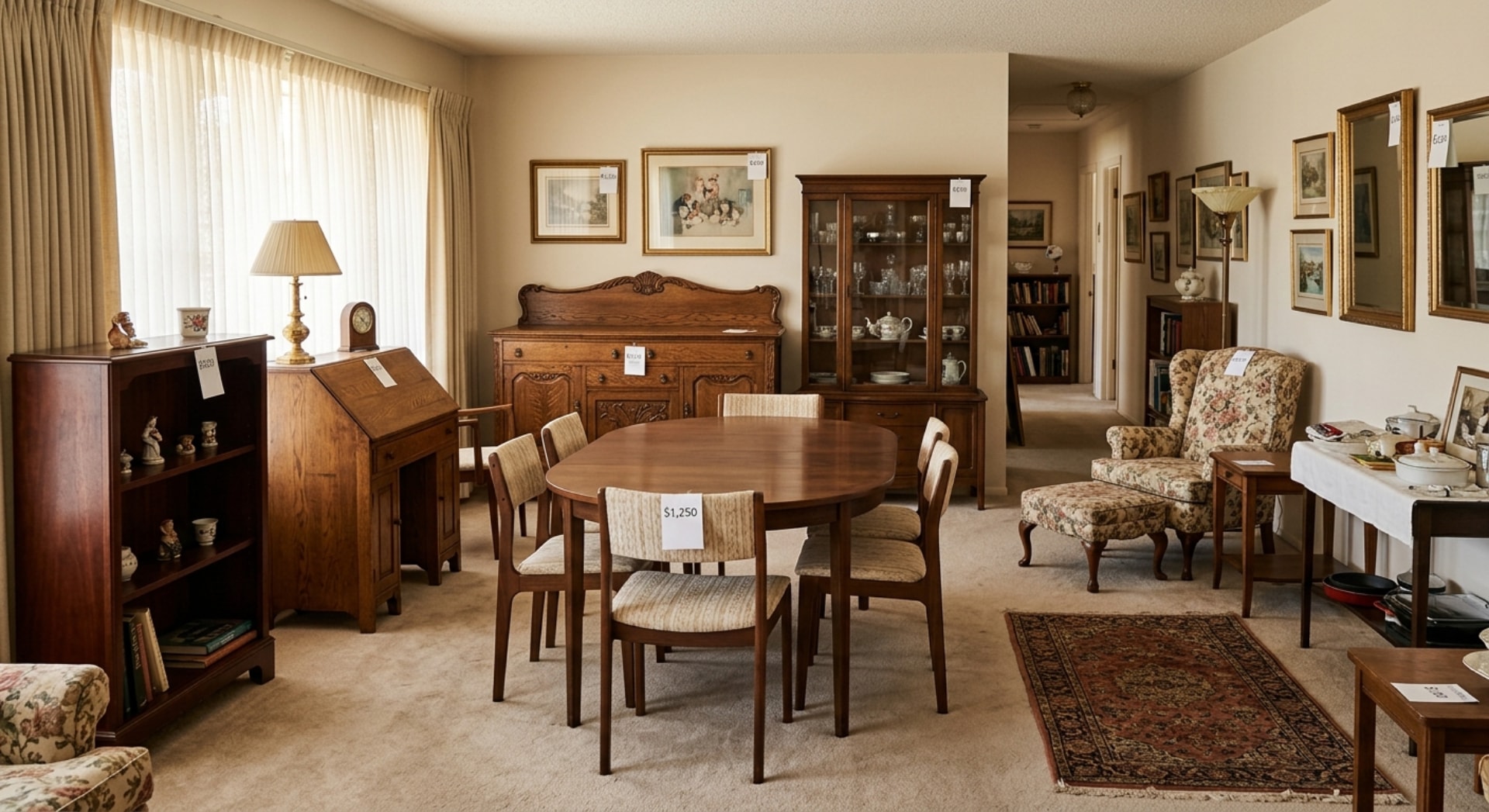
Whether probate is required before selling belongings from an estate depends on how assets are owned, the estate's value, and who is responsible for handling it. However, understanding the Colorado estate settlement time and probate process can help you plan an estate sale without unnecessary delays.
Mile High Estate Sales is here to help you navigate how probate works in Colorado before even starting to price or sell belongings from your loved one's home.
What Is Probate in Colorado?
Probate is the legal process of settling a deceased person's estate. The state of Colorado probate process involves identifying assets, assessing debts and expenses, and distributing remaining property according to a will or Colorado law.
What Happens During Probate in Colorado?
Probate generally requires filing paperwork with the court, appointing a personal representative, notifying interested parties, inventorying assets, addressing creditor claims, and distributing remaining property.
Who Handles an Estate During Probate?
A personal representative assumes the responsibility of managing the decedent's estate and its assets. The will may name this person, and the probate process formally appoints them. Although heirs and beneficiaries may have an interest in the property, they don't automatically have the power to sell estate assets.
Is Probate Required in Colorado?
No, not for every estate. Certain assets may transfer directly to beneficiaries or surviving co-owners, while eligible smaller estates could qualify for a simplified process.
When Is Probate Typically Required?
Probate is often necessary when someone dies owning assets (like real estate, bank accounts, or personal property) solely in their name that cannot automatically transfer to someone else.
When Might Probate Not Be Necessary?
Probate might not be necessary for assets held in a trust, jointly owned property with survivorship rights, and accounts with valid beneficiary designations.
Can You Have an Estate Sale Before Probate?
Yes, you may be able to arrange a sale before probate, yet you must have the legal authority to sell the belongings. Don't assume that being a spouse, child, or heir automatically lets you sell everything someone owned.
Who Can Authorize an Estate Sale?
An appointed personal representative, legally authorized successor, trustee, or owner with rights to the property may be able to authorize a sale, depending on the circumstances. However, always confirm ownership and authority before proceeding.
What Happens if Family Members Disagree About an Estate Sale?
We recommend pausing the sale of disputed items until ownership and decision-making authority are confirmed. Aim to resolve disagreements early to prevent family conflicts and legal complications.
How the Colorado Probate Process Can Affect an Estate Sale
The Colorado estate settlement time and probate process can influence when belongings may be sold and how proceeds must be handled. Here are some examples.
Inventorying the Estate's Belongings
Document furniture, household goods, collectibles, jewelry, and other valuables to support pricing, recordkeeping, and resolving ownership questions.
Determining What Can Be Sold
Set aside belongings the deceased wanted heirs to have, as well as items with disputed ownership. Always confirm that the person authorizing the sale has the appropriate legal authority.
Using Estate Sale Proceeds
The sale proceeds may become an estate asset, so keep accurate records and follow requirements for depositing and accounting.
How Long Does Probate Take in Colorado?
Straightforward, uncontested cases may only take a few months to go through probate, but complicated estates can take a year or longer. Creditor deadlines and other legal requirements can affect when an estate is fully settled.
Factors That Can Delay Probate
- Family disputes
- Missing documents
- Complicated assets
- Creditor claims
- Difficulties valuing or selling property
Can You Have an Estate Sale While Probate Is Ongoing?
Yes, if the personal representative has appropriate authority and the sale complies with applicable requirements. You don't necessarily need to complete the final estate distribution before you sell belongings.
Steps to Take Before Scheduling an Estate Sale
- Determine who has authority over the estate and consider if probate has been opened
- Identify items family members want to keep and address disagreements early
- Set aside important documents and valuables and review them before the sale
- Choose an estate sale company experienced with estate settlements, organization, pricing, marketing, and cleanouts
What Happens to an Estate After the Sale?
After the sale, the remaining belongings may be donated, discarded, stored, or handled based on the estate's needs and legal obligations. Confirm the options with your estate sale company.
You'll also want to keep sales and expense records to help the personal representative account for estate assets. Once everything is removed, you can prepare the property for its next phase by cleaning, making repairs, and listing it for sale.
When to Get Legal Advice About Probate and an Estate Sale
Consult a Colorado probate attorney if ownership is unclear, family members disagree, significant assets are involved, or you are unsure who can authorize a sale. An estate sale company like ours can manage the belongings, but we cannot replace legal guidance.
Final Thoughts on Probate and Estate Sales in Colorado
You don't necessarily need probate before arranging an estate sale, but you do need proper authority to sell the belongings. Understanding the Colorado estate settlement time and probate process can help you plan the sale, protect assets, and avoid unnecessary complications.
Mile High Estate Sales assists Colorado families with estate sales and auctions, appraisals, property cleanouts, and home sales. Please contact us online at 303-204-4464 to learn more and for a free consultation.
Probate and Estate Sale FAQs
Do you need probate before having an estate sale in Colorado?
Not necessarily, as it depends on ownership, estate circumstances, and whether the person authorizing the sale has legal authority.
Is probate required in Colorado?
No, some assets pass outside probate, and qualifying small estates may use a simplified affidavit process.
What is probate in Colorado?
Probate is the legal process for administering a deceased person's estate, addressing debts, and distributing remaining assets.
How does probate work in Colorado?
It typically involves appointing a personal representative, identifying assets, notifying creditors, paying debts, and distributing property.
How long does probate take in Colorado?
It can take several months or longer, depending on the estate's complexity, creditor deadlines, and disputes.
Can you sell personal belongings before probate in Colorado?
Possibly, but you must have legal authority to sell them.
Who can authorize an estate sale after someone dies?
An appointed personal representative, authorized successor, trustee, or other legally entitled owner may be able to authorize the sale.
What happens to estate sale money during probate?
Proceeds may become estate assets, so you must handle and document them appropriately during administration.

Mile High Estate Sales
Colorado's trusted estate sale professionals with over 10 years of experience helping families through life's transitions.
Schedule a Free Consultation