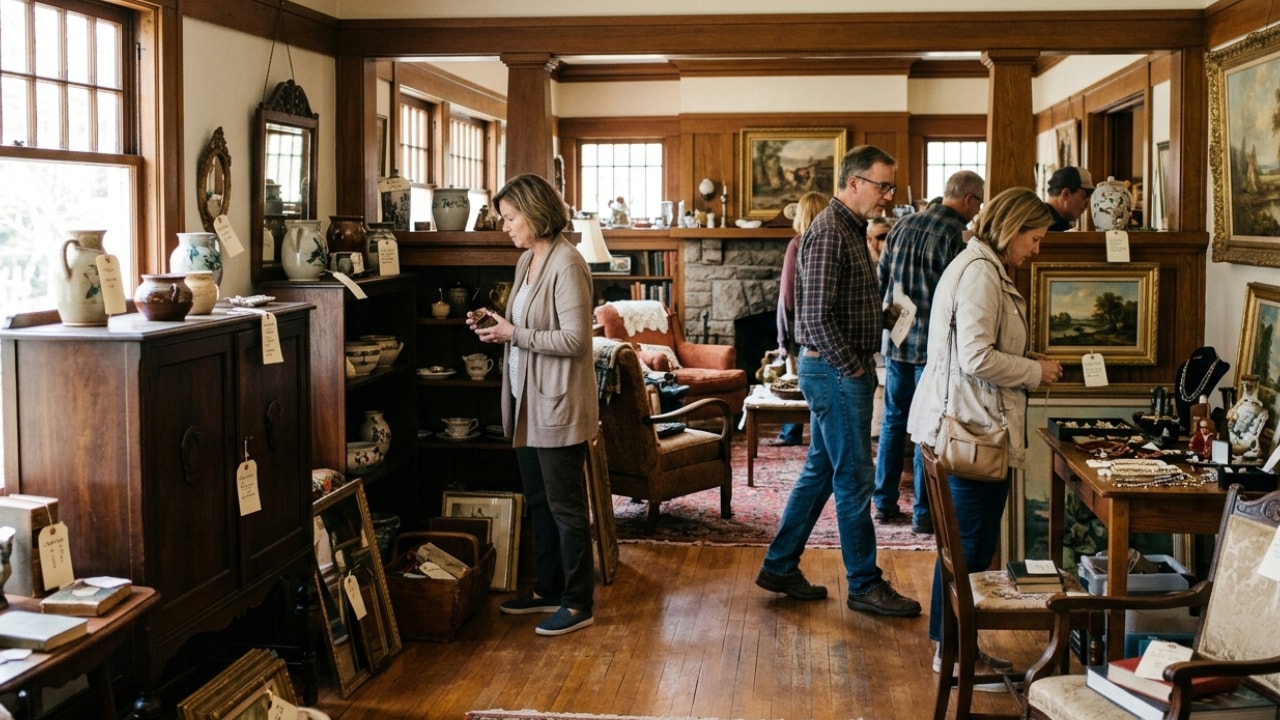
After the loss of a loved one or during a major life transition, many people find themselves asking, “How do you have an estate sale?”
An estate sale is an efficient way to sell household items when clearing out a home. Yet, planning estate sales is complex and time-consuming, so you'll most likely realize very quickly how difficult it is to do yourself.
Fortunately, Mile High Estate Sales offers professional services to handle the entire process, so you don't have to figure out every detail of how to run an estate sale. In this article, we share the essential steps of estate sale planning, common challenges, and the reasons to hire a professional.
Why Estate Sales Are Difficult to Run on Your Own
Estate sale planning involves a lot more than just putting price tags on items and opening your doors to the public.
Emotional attachments often arise when sorting through a loved one's belongings, and organizing an entire home's contents is labor-intensive. You'll need extensive time to photograph, catalogue and advertise items, as well as market knowledge to price items accurately.
When setting up an estate sale, you'll also need to plan for theft prevention, crowd management, buyer negotiations, and logistics like permits and parking. Then, there's the additional work of handling unsold items and post-sale cleanup.
For all of these reasons, most people hire a professional to figure out how to run their estate sales.
Step-by-Step Guide to Hosting an Estate Sale
Setting up an estate makes the most sense when most or all of a home's contents need to be sold. Estate sale planning typically takes several weeks, depending on the size of the home and the number of items it contains.
Here are the steps involved in how to have an estate sale from the initial inventory to post-sale management.
Step 1: Take Inventory of Everything in the Home
First, walk through each room of the home to document and photograph items, creating an inventory list or spreadsheet. Identify any items that aren't for sale and categorize them by type or room, noting their condition as you go.
Step 2: Identify Valuable Items
Recognize which items in the home have the greatest worth, such as antiques, vintage furniture, fine art, and jewelry. Other high-value items you may encounter while figuring out how to set up an estate sale include:
- Coins
- Designer clothing
- Rare collectibles
Step 3: Sort, Clean, and Organize the Home
Before your estate sale date, remove any family keepsakes or personal documents you don't want the public to see. Clean any items that need a quick refresh before the sale, and group similar items together for organization. Ensure rooms are well-organized for shoppers to browse and that walkways are clear for visitors' safety.
Step 4: Price Items for Sale
One of the most important parts of how to do an estate sale successfully is accurately pricing items to promote sales while maximizing profits. This process involves researching current market values to price items individually or in groups, while leaving room for negotiation.
Professional estate sale companies usually outperform DIY pricing because of their industry knowledge and expertise in establishing discount structures for the final sale day.
Step 5: Stage and Display Items
Presentation matters when setting up an estate sale, so display your household items in an attractive, organized way using tables and shelves. You can group similar items while highlighting unique and valuable pieces, maintaining a logical flow throughout the home, and restricting access to private areas.
Step 6: Choose the Estate Sale Date
Most people choose to host an estate sale for one to three days, over a weekend that isn't over a major holiday or other competing local event. When choosing a date, ensure you allow enough time for preparation, and check any HOA or city regulations before scheduling.
Step 7: Advertise the Estate Sale
Marketing is a critical step in crafting a strategy for how to prepare for an estate sale.
There are estate sale websites and directories where you can list your sale. Successful advertising may also include:
- Creating online listings in marketplace groups
- Posting on social media
- Placing signs in the neighborhood
- Sending emails to subscriber lists
Step 8: Manage the Estate Sale Event
On sale day, your priorities shift to crowd management and staying organized.
You'll need someone to greet and direct shoppers at the door, and to answer their questions throughout the home. Someone will also need to handle:
- Negotiations
- Managing checkout
- Monitoring valuables to prevent theft
- Implementing discounts toward the end of the sale
Step 9: Handle Unsold Items After the Sale
Despite the best estate sale planning, items often remain unsold. You can donate these items to charities, arrange junk removal, or sell them at an auction or through consignment.
Keep in mind that post-sale cleanup can be among the most time-consuming steps in setting up an estate sale.
Common Mistakes People Make When Running Their Own Estate Sale
- Underestimating the work required
- Mispricing items due to a lack of market knowledge
- Poor advertising that leads to low turnout
- Disorganized displays that don't entice buyers
- Theft and security issues
- Not having a plan to handle the remaining inventory
Benefits of Hiring a Professional Estate Sale Company
Instead of trying to figure out the answer to “How do you have an estate sale?” on your own, here's why we recommend hiring a professional:
- Accurate pricing and appraisal expertise
- Established buyer networks and marketing channels
- Efficient, attractive organization and staging
- Expert handling of all logistics and management
- Maximize your overall sales revenue
- Handle all post-sale cleanup and donations
- Reduce stress during a difficult time in life
How Estate Sale Companies Run a Sale
At Mile High Estate Sales, our estate sale planning process begins with an initial consultation and evaluation of the home. We'll conduct a detailed inventory, research items, and provide professional staging and pricing. Our other areas of expertise include strategic marketing campaigns, managing sales events and payments, and coordinating post-sale item removal.
DIY estate sales often take several weeks or months to coordinate, while experienced professionals like us can complete the process much more quickly and efficiently.
Frequently Asked Questions About Having an Estate Sale
How long do estate sales usually last?
Most estate sales last for one to three days over a weekend.
What happens to unsold items?
You can donate unsold items, sell them through other channels, or have them removed with a cleanup service.
Do estate sales require permits or licenses?
Some cities and HOAs require permits and have parking restrictions that apply to estate sales, so check your local regulations before scheduling a sale.
How much money do estate sales typically generate?
Estate sale profits vary widely based on the value of the items being sold, current market demand, and how well you market your sale.
Is it better to run the sale yourself or hire professionals?
Although DIY estate sales are possible, many families find that hiring a professional estate sale company provides better results with far less stress.

Mile High Estate Sales
Colorado's trusted estate sale professionals with over 10 years of experience helping families through life's transitions.
Schedule a Free Consultation